A Poet Records the Night
Robert Burns writes “Halloween”, describing kale-pulling, nut-burning and other divination games of rural Ayrshire.
The Encyclopedia of Halloween, Haunted Places & Strange Traditions
The Archive Opens · Case Index MMXXVI
An illustrated, evidence-minded encyclopedia of the season: where its customs came from, why people still keep them, and the real history behind the world’s most storied “haunted” places.
Eight real, visitable sites with famous ghost stories — each profiled with verifiable history, the legend as told, and what historians actually say.
Select a numbered pin — or a name from the legend — to open its dossier.
The pins mark sites from London to Colorado. Each dossier separates documented history from folklore, so you can enjoy the stories with your eyes open.
Long-form explainers on how a Gaelic harvest festival became a global night of costumes and candlelight.
Tap the book to open its cover.
Gaelic seasonal festivals, Christian feast days and how the two intertwined.
Guising in Scotland, Día de Muertos in Mexico, giant kites in Guatemala and more.
Jack-o’-lanterns, black cats, apple games and the colours orange and black.
From mumming and guising to mass-produced masks.
Banshees, kelpies, yūrei and the vocabulary of the supernatural.
Robert Burns writes “Halloween”, describing kale-pulling, nut-burning and other divination games of rural Ayrshire.
A Kingston newspaper notes children in costume visiting shops — the earliest known North American report of the custom.
Anoka organises a civic Halloween celebration to curb mischief and later styles itself the “Halloween Capital of the World”.
Orson Welles’ The War of the Worlds airs; later research suggests the scale of the “panic” was greatly exaggerated by newspapers.
Early Irish literature describes Samhain as a seasonal festival marking summer’s end, when the boundary with the Otherworld was believed to thin.
Pope Gregory IV promotes the 1 November feast across the Western Church; the evening before becomes “All Hallows’ Eve”.
Emigration during the Great Famine brings Irish Halloween customs to North America.
A newspaper in Blackie, Alberta, records the phrase — the earliest known printed use.
Mexico’s indigenous festivity dedicated to the dead is inscribed on UNESCO’s Representative List of Intangible Cultural Heritage.
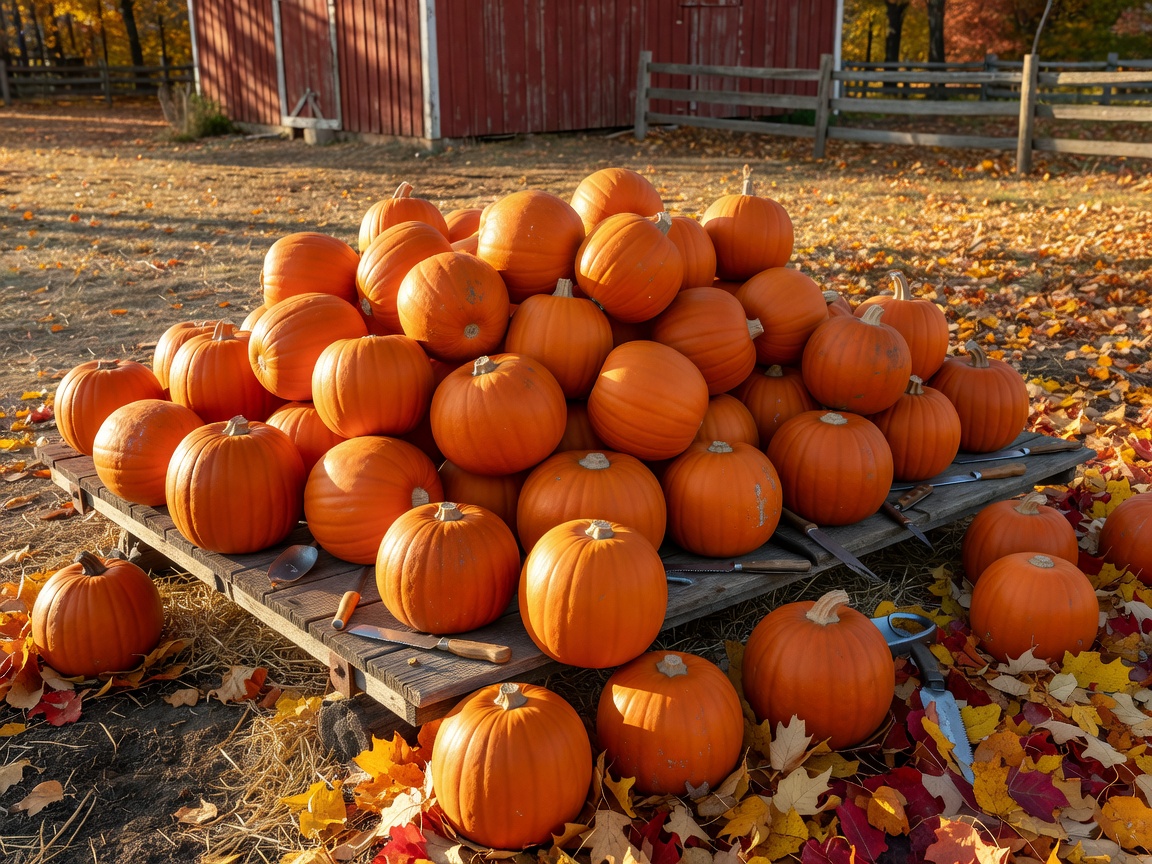
In Ireland and Scotland, carved turnips and mangel-wurzels lit the way on Halloween night. Irish and Scottish immigrants in North America adopted the larger, softer pumpkin. Read more
Disguised visits for food or coins are recorded in Scotland and Ireland. A common explanation — that disguises hid people from wandering spirits — is popular but hard to prove. Read more
Calculating the phase…
Calculated in your browser from the average lunar cycle; accurate to within about a day.
Every dossier here cites what can be checked: dates, architects, owners and official sources. Legends are labelled as legends.
Our editorial methodParis’s Catacombs hold remains of an estimated six million people; candy corn dates to the 1880s; Sedlec’s chandelier is made of human bone.
Myths vs. factsIt has mixed roots. The date sits beside the Gaelic festival of Samhain, but the name comes from the Christian All Hallows’ Eve, the night before All Saints’ Day. Many modern customs developed much later in Scotland, Ireland and North America. See Origins.
No. Día de Muertos (1–2 November) is a distinct celebration honouring deceased loved ones with altars, marigolds and food. It shares the calendar season, not the meaning. See traditions by country.
No. We document folklore and reported experiences as cultural history, alongside what historians and scientists say. We do not present supernatural claims as fact.
Only where access is legal and safe. Many abandoned sites are private property and structurally dangerous. Choose official tours. See our responsible visiting guide.
No. We are an independent editorial directory. Every “Visit Official Page” button links to the venue’s own website.